
Get Tree Canopy Thinning in Asheville, NC
Tree Canopy Thinning services for Asheville property owners help improve sunlight, reduce storm damage risk, and promote healthier trees by removing excess branches with experienced local contractors.
Property owners in Asheville, NC, considering tree canopy thinning often do so to improve the health and safety of their landscape. Overgrown or densely packed canopies can hinder sunlight, restrict airflow, and increase the risk of falling branches. Thinning trees can also enhance the overall appearance of a property, making outdoor spaces more inviting and functional. For those planning landscape improvements or managing trees for safety and aesthetics, exploring local contractors experienced in canopy thinning can provide valuable insights and options tailored to the unique environment of Asheville.
As you evaluate different service providers for tree canopy thinning, it’s helpful to compare their expertise and approach to ensure the work aligns with your property’s needs. Local contractors understand the specific challenges and benefits of managing trees in Asheville’s climate and landscape. Continuing to explore your options can lead to a clearer understanding of how this work can support your property’s safety, appearance, and overall health.
- Urban Tree Management - when overgrown canopies in neighborhoods like West Asheville need thinning to improve sunlight and air flow.
- Storm Damage Response - after severe weather, local contractors can thin damaged or hazardous canopies to reduce risk.
- Property Maintenance - for homeowners in historic districts, canopy thinning helps preserve the aesthetic and health of mature trees.
- Construction & Development - during new builds or renovations in areas like South Asheville, thinning ensures safe clearance and proper site planning.
- Health & Safety Assessments - when trees pose a risk to nearby structures or pedestrians, service providers can evaluate and perform necessary thinning.
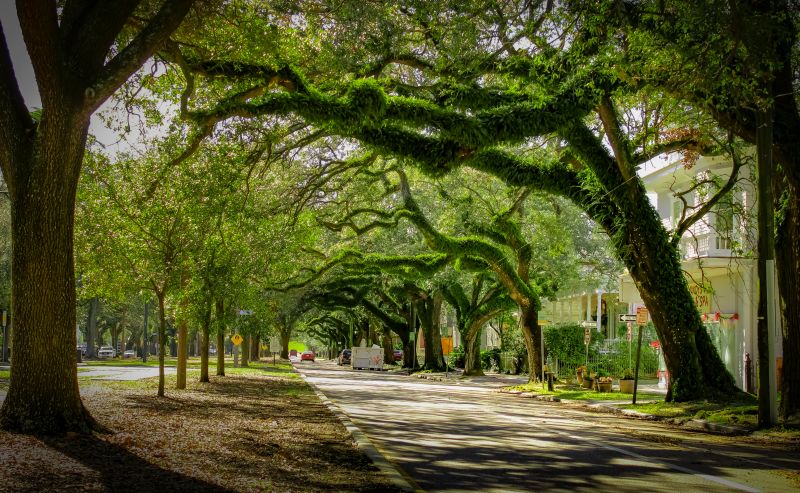
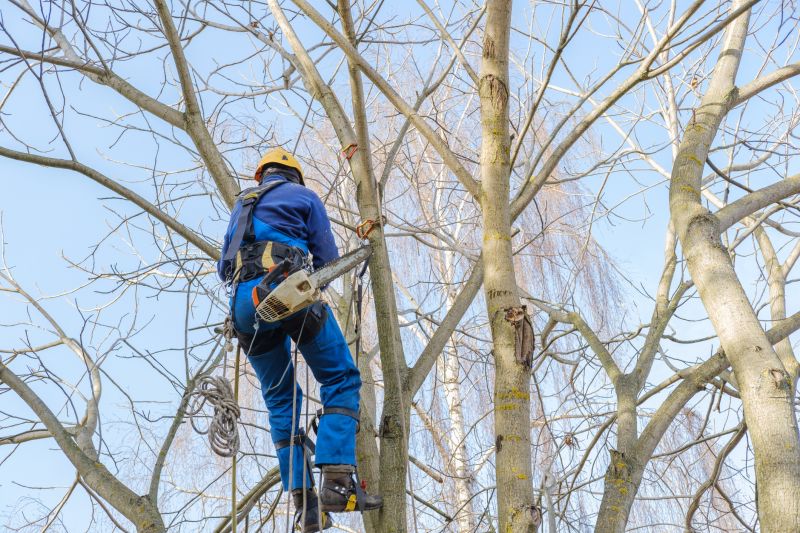
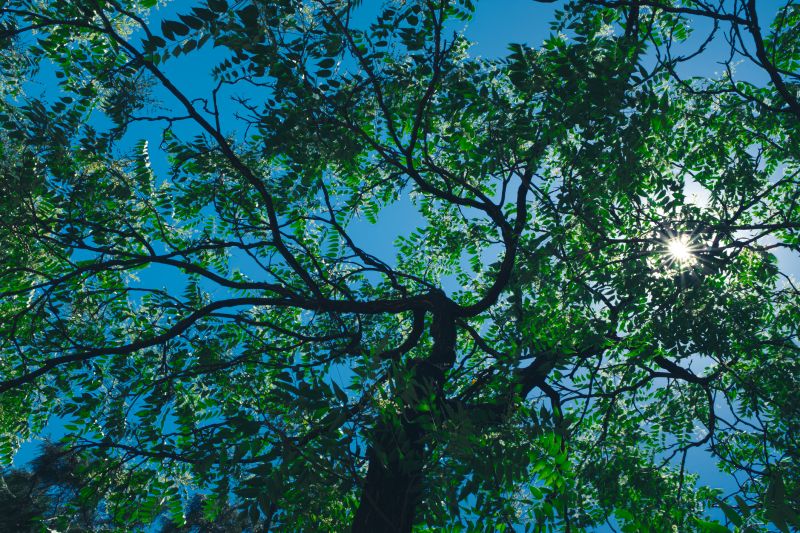
Tree canopy thinning services involve carefully reducing the density of branches and foliage in a tree’s upper layers. This process is performed to improve the overall health of the tree, increase light penetration, and reduce the risk of branch failure. Trained service providers use specialized tools to selectively trim branches, ensuring the tree maintains its natural shape while addressing specific concerns. Proper canopy thinning can help prevent issues like limb breakage during storms and promote better air circulation within the tree’s structure.
Many property owners turn to canopy thinning when they notice overgrown or crowded trees that are blocking sunlight or encroaching on structures. Excessively dense canopies can lead to problems such as increased weight on branches, which may cause them to break and fall, creating safety hazards. Additionally, thick foliage can foster disease and pest problems by limiting airflow and trapping moisture. Service providers can assess the condition of trees and determine if thinning is a suitable solution to improve safety and health.
This service is often used on residential properties with large shade trees, especially in yards where overgrowth is causing issues with neighboring properties or outdoor spaces. Commercial properties, parks, and community spaces also benefit from canopy thinning to maintain safe and attractive landscapes. Trees that have become too dense over time or show signs of structural weakness are common candidates for thinning. Property owners seeking to enhance their landscape’s safety, appearance, or health may find that professional canopy thinning provides a practical and effective solution.
Choosing to have canopy thinning performed can help address a range of concerns, from reducing the risk of falling branches to improving the overall vitality of the tree. Local contractors who specialize in this work can evaluate the specific needs of each tree and property. They ensure that thinning is done safely and correctly, preserving the tree’s health while minimizing potential damage. Contacting experienced service providers can help property owners determine if canopy thinning is appropriate for their trees and landscape goals.
The overview below groups typical Tree Canopy Thinning projects into broad ranges so you can see how smaller, mid-sized, and larger jobs often compare in Asheville, NC.
In many markets, a large share of routine jobs stays in the lower and middle ranges, while only a smaller percentage of projects moves into the highest bands when the work is more complex or site conditions are harder than average.
Smaller Thinning Jobs - Typically, local contractors charge between $250 and $600 for routine canopy thinning on small to medium-sized trees. Many projects fall within this range, especially for maintenance or light thinning needs.
Moderate Projects - More extensive thinning or multiple trees can cost between $600 and $1,500, depending on tree size and site complexity. These are common for property owners seeking significant canopy management.
Large or Complex Jobs - Larger, more involved thinning projects may range from $1,500 to $3,000 or more, especially for mature trees or properties with multiple specimens. Fewer projects push into this higher tier, reflecting increased scope and effort.
Full Canopy Thinning or Rejuvenation - Complete canopy thinning or significant reconditioning can reach $3,000 to $5,000+ for large or highly detailed work. These high-end projects are less frequent but necessary for extensive landscape overhauls or safety concerns.
Actual totals will depend on details like access to the work area, the scope of the project, and the materials selected, so use these as general starting points rather than exact figures.
Tree pruning and trimming projects - these services require similar knowledge of tree structure and the use of pruning tools to promote healthy growth and safety.
Urban forestry management - involves planning and executing large-scale tree care that shares skills in assessment, planning, and equipment use with canopy thinning.
Storm damage cleanup - includes removing broken or hazardous branches, which aligns with thinning techniques to improve tree health and safety.
Landscape tree planting - requires understanding tree species and growth patterns, complementing canopy management efforts for optimal placement and growth.
Tree health assessments - involves evaluating tree conditions to determine needs, similar to assessing which branches to thin for overall health.
Site planning for urban trees - includes planning for tree placement and growth, which relates to canopy thinning in managing tree space and growth patterns.
When comparing service providers for tree canopy thinning, it’s important to consider their experience with similar projects in the Asheville area or nearby communities. An experienced contractor will have a clear understanding of local tree species, common challenges, and the best practices for thinning to promote healthy growth and safety. Asking about their past work on comparable projects can provide insight into their familiarity with the specific techniques and considerations involved, helping to ensure that the chosen professional has the relevant expertise.
Clear written expectations are essential when evaluating local contractors for tree canopy thinning. A reputable service provider will be able to outline the scope of work, including the methods they will use, the areas they will address, and any potential impacts on the property. Having these details documented helps prevent misunderstandings and provides a basis for comparing different options. It’s also helpful to request a detailed plan or description of how the project will be carried out, so that expectations are transparent and aligned from the start.
Reputable references and strong communication are key factors when selecting a local contractor for tree canopy thinning. Speaking with previous clients or requesting references can offer valuable perspectives on the contractor’s reliability, professionalism, and quality of work. Additionally, a service provider who communicates clearly and promptly can make the process smoother, answering questions and providing updates throughout the project. Remember, this site’s role is to introduce homeowners to local options, enabling informed decisions based on experience, expectations, and communication rather than performing the work directly.
Property owners in Asheville, NC use Tree Canopy Thinning services for practical projects around their homes and businesses. This guide focuses on everyday jobs and straightforward project options.
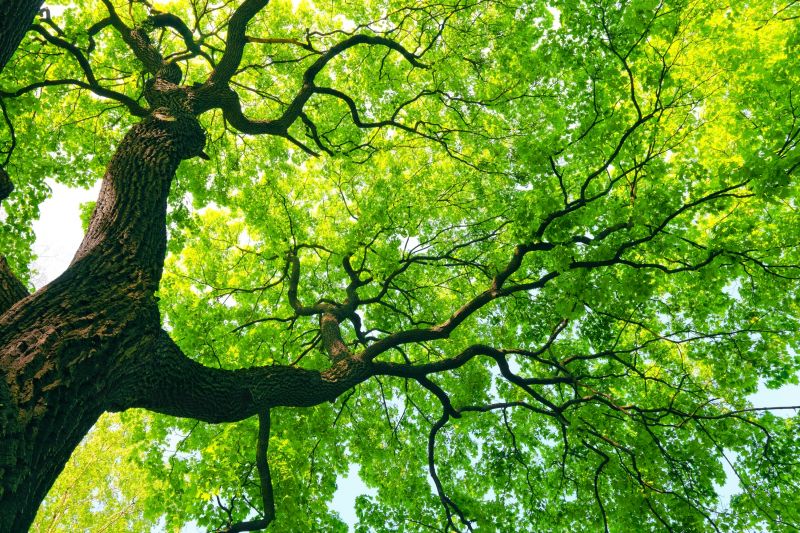
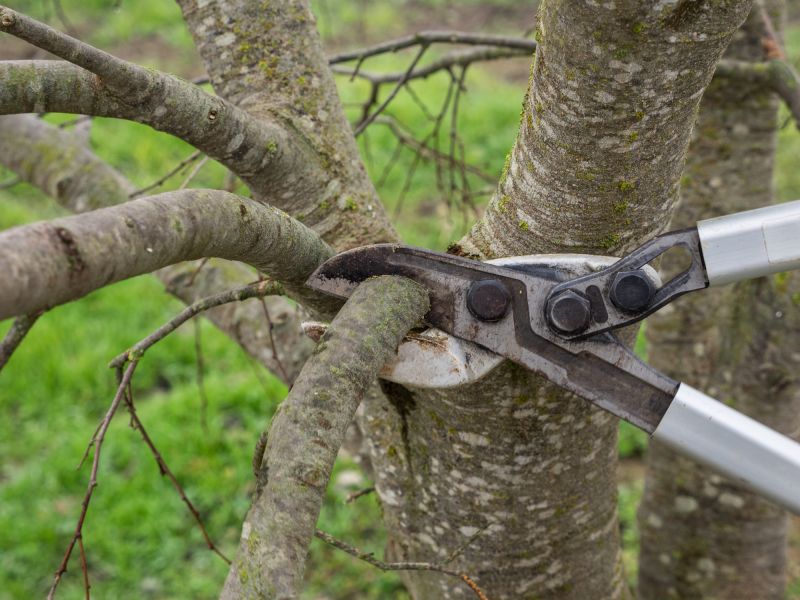
Tree canopy thinning services are often sought by property owners in Asheville, NC who notice overgrown or dense tree branches beginning to interfere with structures, power lines, or outdoor living spaces. In some cases, trees may have grown too close to homes or driveways, creating concerns about clearance or potential damage during storms. Local contractors can help with selective thinning to improve air flow, reduce weight on branches, and enhance the overall health and appearance of the trees.
Property owners might also look for canopy thinning when they want to increase sunlight reaching gardens or lawns beneath the trees. Overly dense canopies can block natural light, impacting plant growth and outdoor enjoyment. Additionally, some residents may seek these services to prevent branches from becoming hazards or to maintain a balanced, aesthetically pleasing landscape. Local service providers in Asheville can handle these needs with professional tree thinning tailored to individual property conditions.
What is tree canopy thinning? Tree canopy thinning involves selectively reducing the density of branches and foliage to improve air circulation, light penetration, and overall tree health in Asheville and nearby areas.
Why consider canopy thinning for trees in Asheville? Thinning can help prevent storm damage, reduce the risk of falling branches, and promote healthier growth in trees commonly found in the region.
How do local contractors perform canopy thinning? Service providers assess the tree's structure and carefully remove specific branches to maintain safety and aesthetics while supporting the tree's vitality.
Can canopy thinning improve the appearance of my trees? Yes, thinning can enhance the visual appeal by creating a more balanced and open canopy, allowing more sunlight to reach the ground.
What should I consider when choosing a tree canopy thinning service? It's important to find experienced local contractors who understand the specific tree species and conditions in Asheville to ensure proper care and results.
Improve sunlight exposure - Property owners can have local contractors thin tree canopies to allow more natural light into homes or gardens, enhancing indoor brightness and outdoor growing conditions.
Enhance safety and visibility - Thinning trees can reduce overhanging branches that obstruct walkways, driveways, or outdoor spaces, making them safer and easier to navigate.
Reduce storm risk - Property owners might consider canopy thinning to minimize the risk of falling branches during storms, protecting structures and outdoor areas.
Maintain healthy trees - Local service providers can help manage tree health by selectively thinning canopies to promote better growth and prevent overgrowth issues.
If you are thinking about Tree Canopy Thinning for a property in Asheville, NC, this guide is meant to help you understand the work, the typical project types, and how different options might fit your plans.
When you are ready, you can use the quote form on this page to share a few details about your project. From there, local pros can review the basics and respond with options that match what you have in mind.